Many cardiac problems are being reported in younger age group. A recent study by AIIMS – Bhopal has identified a link between high homocysteine level in the blood of youngsters and coronary artery disease.
Young population who have a higher level of Homocysteine level in their blood have higher chances for coronary artery disease problem when compared to youngsters with normal blood homocysteine levels.
What is Hyperhomocysteinemia?
Hyperhomocysteinemia is when levels exceed 15 micromol/L. When homocysteine levels are greater than normal limits, it signifies a disruption in the metabolism of homocysteine.
What is Homecysteine?
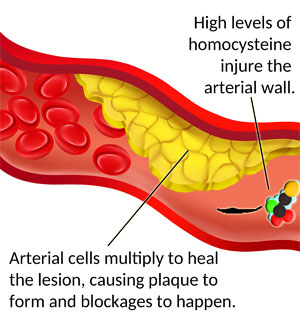
Homocysteine is a type of amino acid. Your body naturally makes it. But at high levels, it can damage the lining of arteries.
It can encourage blood clotting.
Homocysteine is converted to cysteine and methionine by a combination of B vitamins (B12, B6, and folate) and enzymes (Methylene Tetrahydrofolate Reductase: MTHFR). Specifically, homocysteine is converted to methionine by a process known as remethylation with the help of vitamin B12.
Risks of Hyperhomocysteinemia:
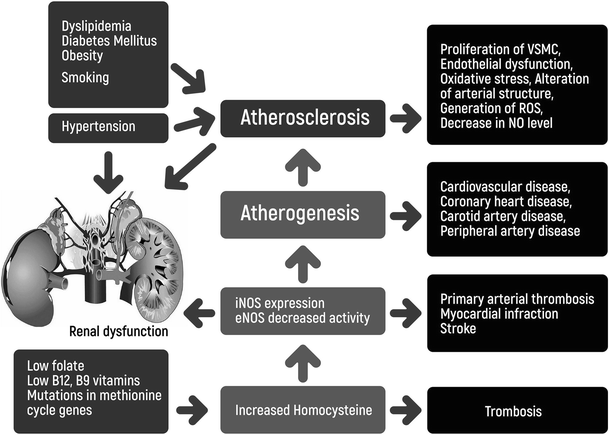
Elevated levels of homocysteine have been associated with increased cardiovascular, cerebrovascular, and thromboembolic diseases.
Hyperhomocysteinemia may raise your risk for coronary artery disease, heart attacks, blood clots, and strokes.
Elevated levels of homocysteine can increase the risk of atherosclerosis by causing endothelial layer injury, promoting inflammation, and increasing oxidative stress
Causes of Hyperhomocysteinemia:
High levels of homocysteine may be caused by low levels of:

 admin - On Feb 14, 2024Feb 14, 2024